THE SHORTY HOTEL
Hotel branding, restaurant identity, bar concepts and guest touchpoints for a multi-venue hotel in Sydney’s CBD.
The Shorty Hotel is a hospitality concept shaped by the history of Shorter House, an 1890s ceramics warehouse in the centre of Sydney. The project called for a brand identity system that could work across the hotel, its restaurants, bars, guest collateral, signage and merchandise, while still giving each area its own character.
Rather than create a single static identity, we developed a layered brand world inspired by the building’s ceramic history. Maker’s marks, bold typography, hand-drawn botanical references, glaze colours and crafted details were brought together to create a flexible visual language for the hotel and its different venues.
The result is a connected hospitality brand with enough structure to feel cohesive, and enough variation to allow each bar, restaurant and guest experience to feel distinct.
Scope
Brand Positioning
Brand Narrative
Brand Identity
Signage and Way-Finding
Custom Artwork
Hotel Print Collateral
Social Creative Style-Guide
Custom Amenities & Merchandise
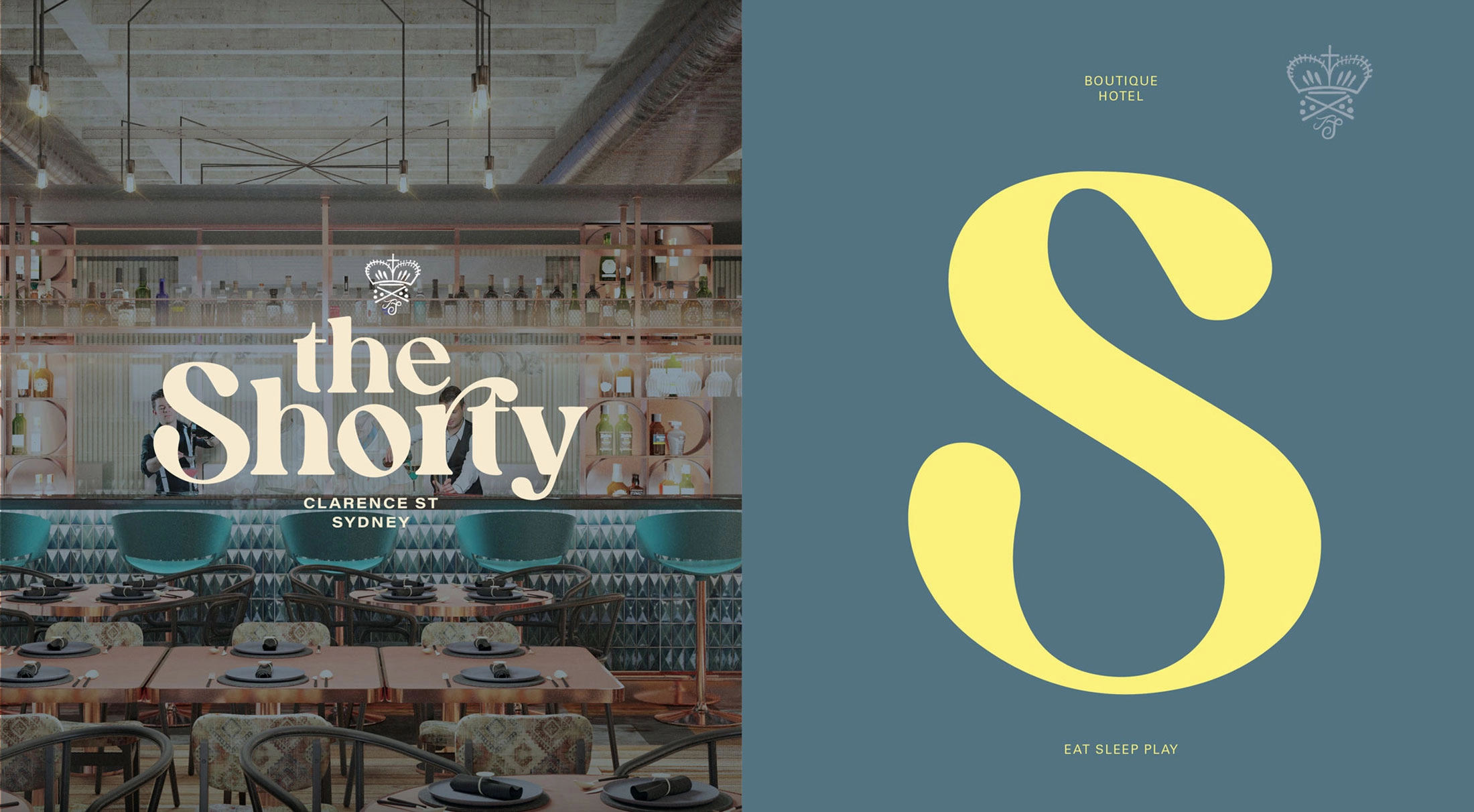
The Challenge
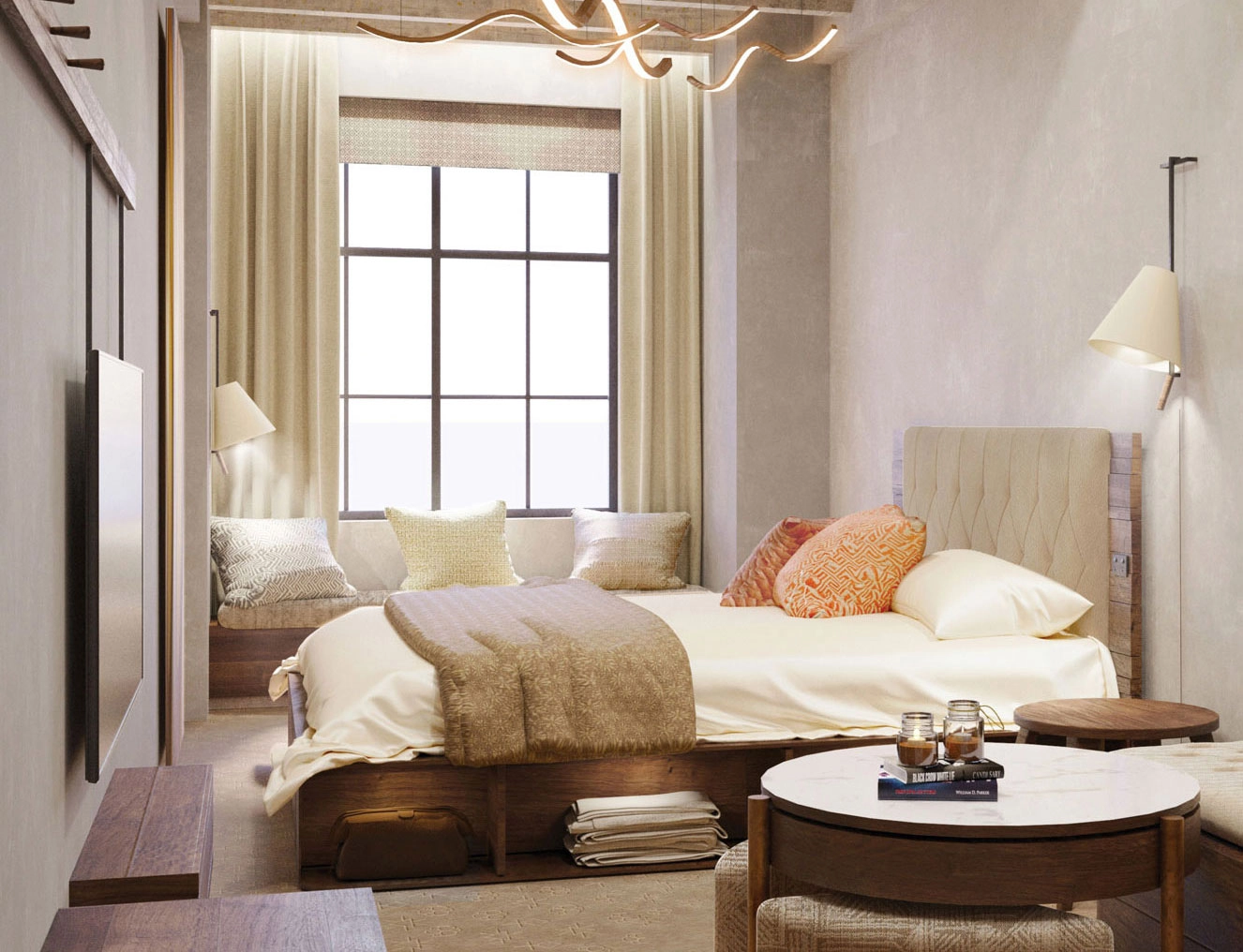
The Shorty Hotel was not a single venue. It was a collection of different hospitality spaces within one hotel: an all-day brasserie and café, a rooftop bar and bistro, and a basement bar with a more atmospheric late-night identity.
The challenge was to design a brand system that could hold all of these spaces together without flattening them into one generic hotel identity. Each area needed its own tone, mood and visual cues, but the overall experience still needed to feel connected to the same story.
The building gave us a strong starting point. Shorter House had a genuine history as a ceramics warehouse, which provided a natural narrative for the interiors, signage, printed collateral and brand language. This allowed the identity to be built around something specific to the site, rather than a decorative hospitality theme.
We wanted the brand to feel layered, tactile and slightly unexpected — a hotel identity with the richness of an old building, the energy of a new hospitality destination, and the flexibility to work across guest-facing touchpoints before the venue had been built.
The Brand Idea
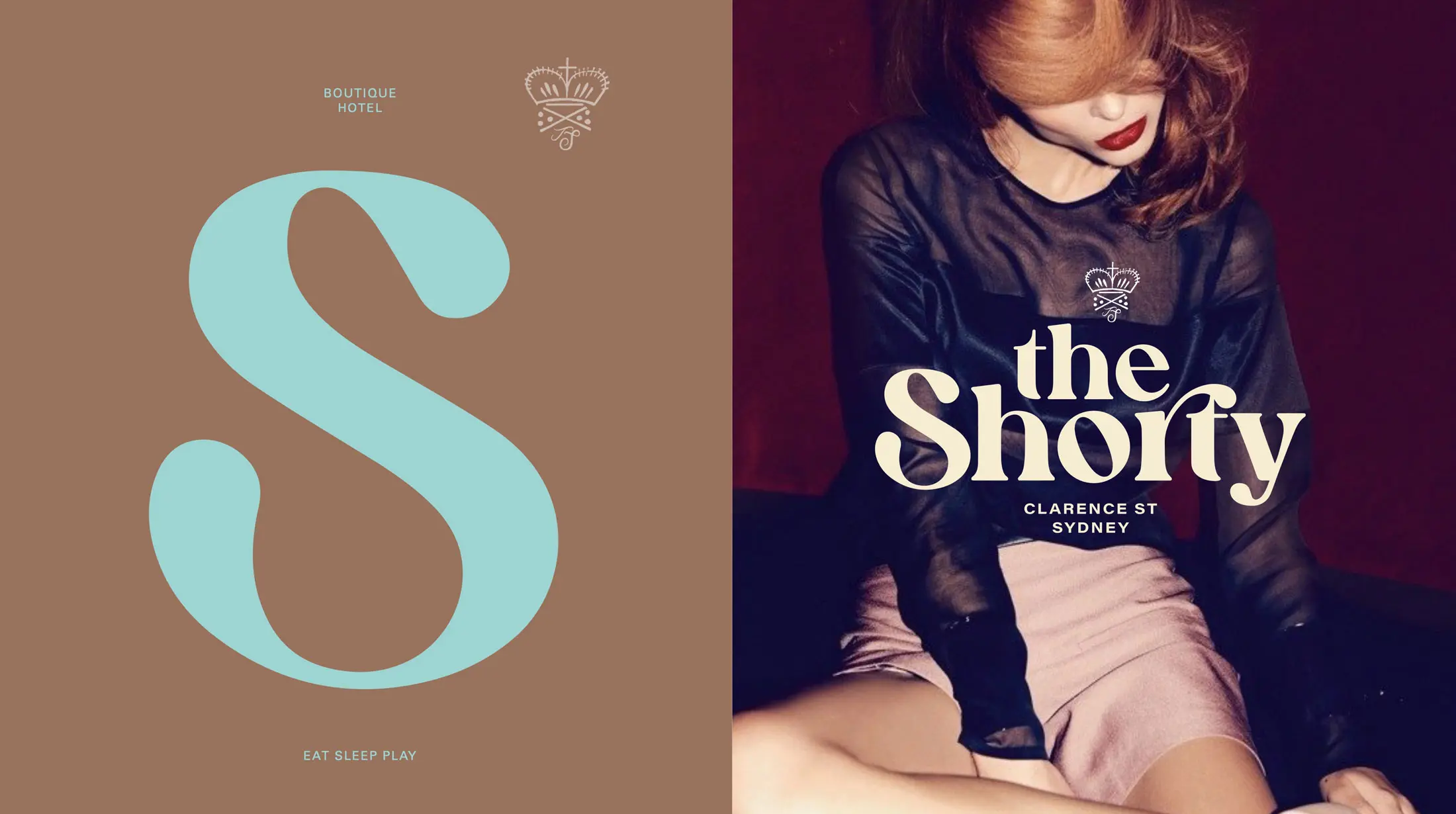
The brand identity draws from the language of ceramics: maker’s marks, glaze, clay, botanical decoration, crafted forms and the imperfect beauty of handmade objects.
This gave the project a strong visual and verbal foundation. The system could be refined and elegant in one setting, bold and colourful in another, and darker and more atmospheric in the basement bar. Instead of forcing every venue to share the same look, the identity works more like a family of related marks, colours, textures and stories.
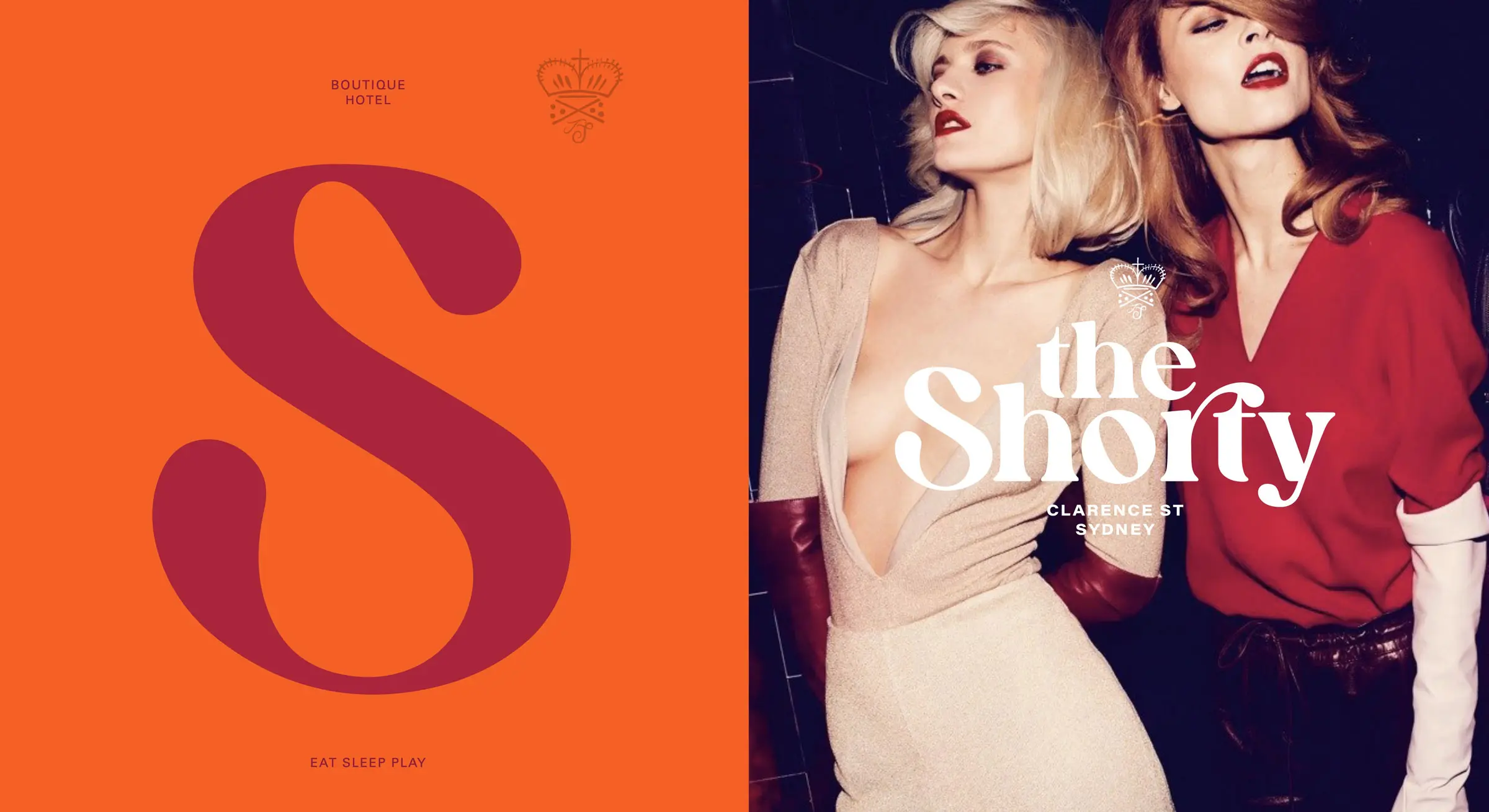
For the hotel itself, the visual language is confident and contemporary. Bold typography, ceramic-inspired symbols and expressive colour combinations give the brand a memorable presence. The palette was designed to complement the interiors while also giving the website, marketing material and social creative a more distinctive, destination-led feel.
This approach allowed the hotel branding to move beyond a logo and become a broader brand environment — one that could inform signage, wayfinding, menus, amenities, merchandise, print collateral and digital content.
The Venues
Within the hotel, each hospitality space was given its own identity while still belonging to the broader Shorty Hotel world.
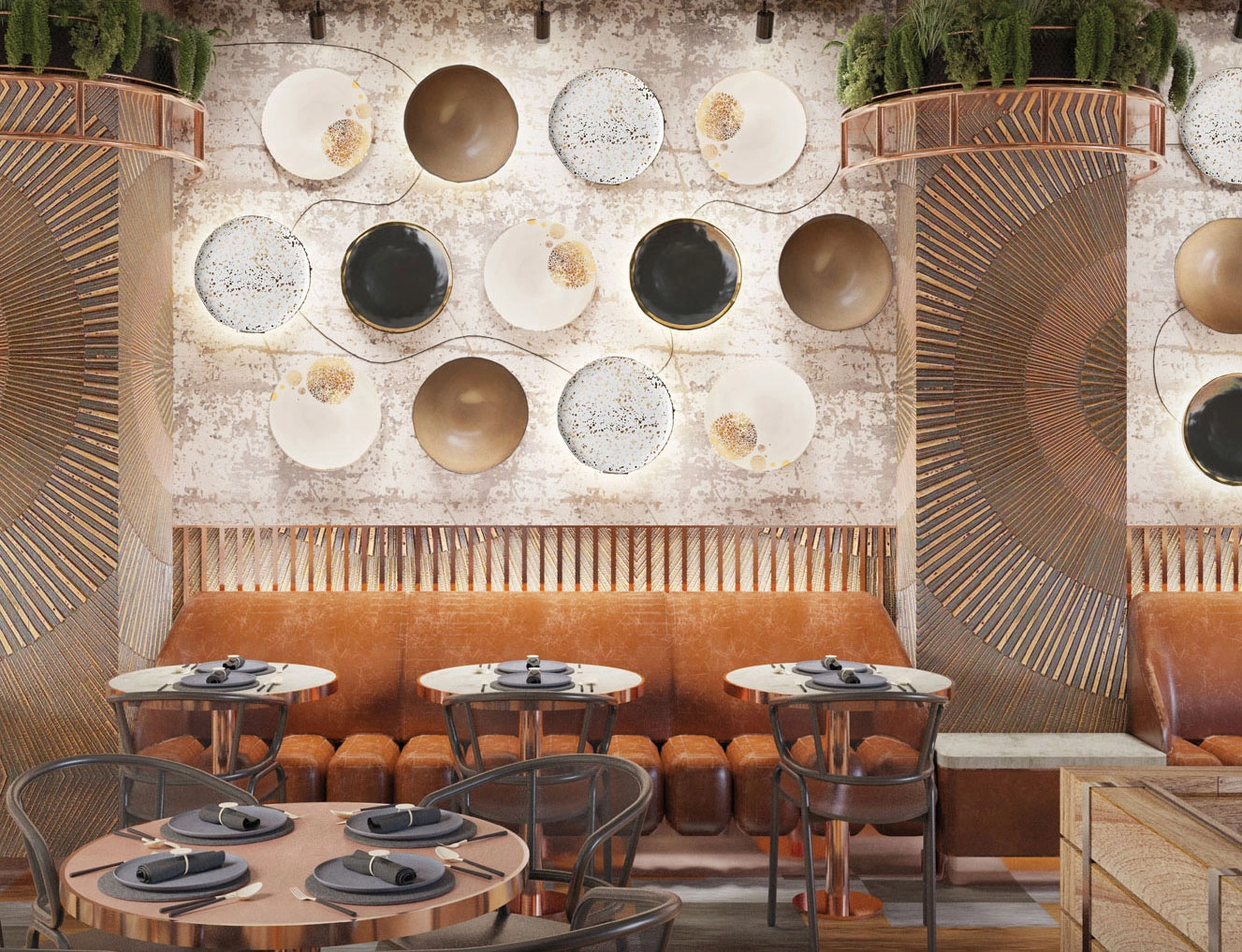
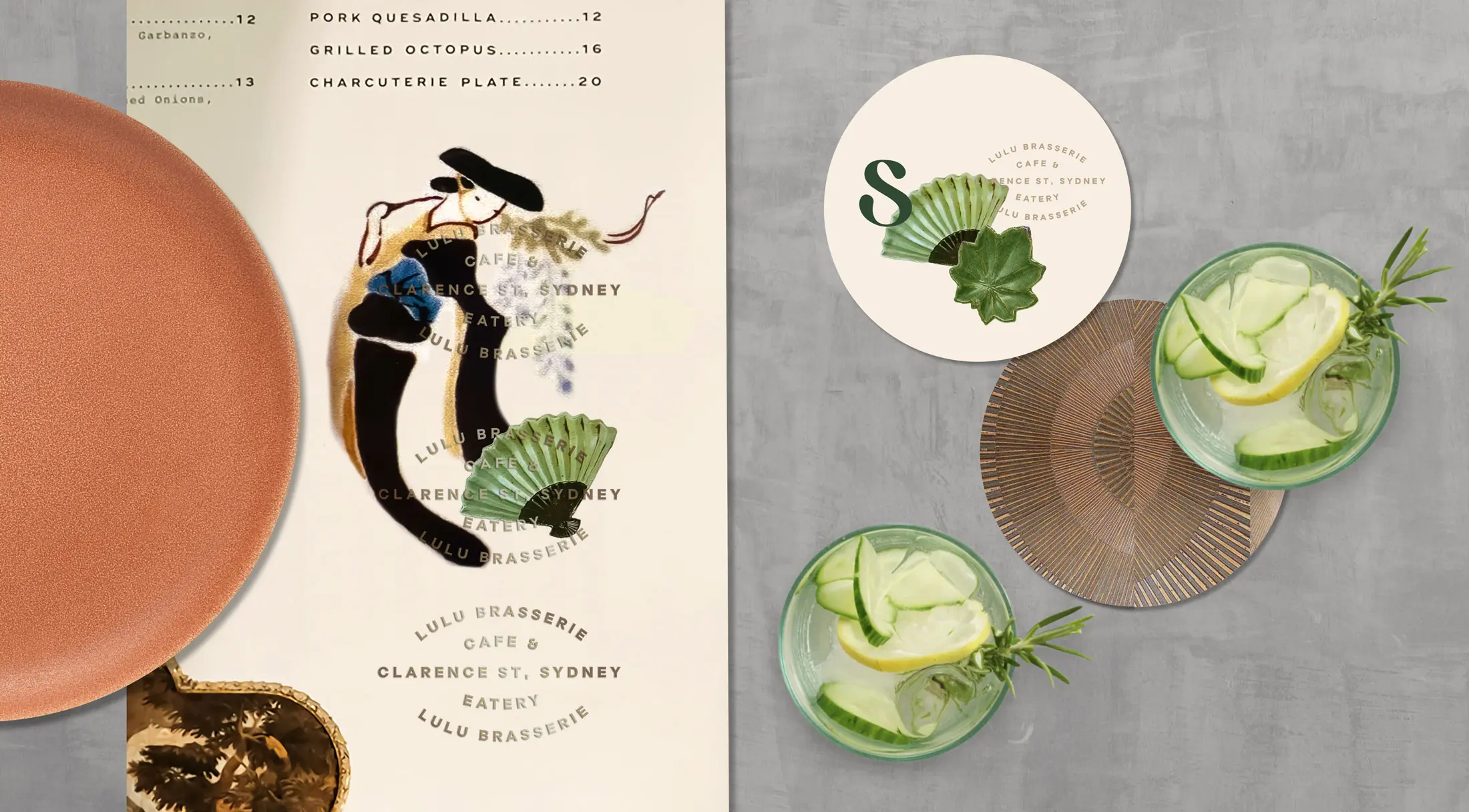
Lulu is the all-day brasserie and café, named after ceramic artist Lulu Shorter. The concept draws on the idea of Kintsugi: making something beautiful from what is broken or imperfect. It is designed as a relaxed, multi-purpose space for hotel guests, city workers and locals — somewhere to meet, work, eat and return to throughout the day.
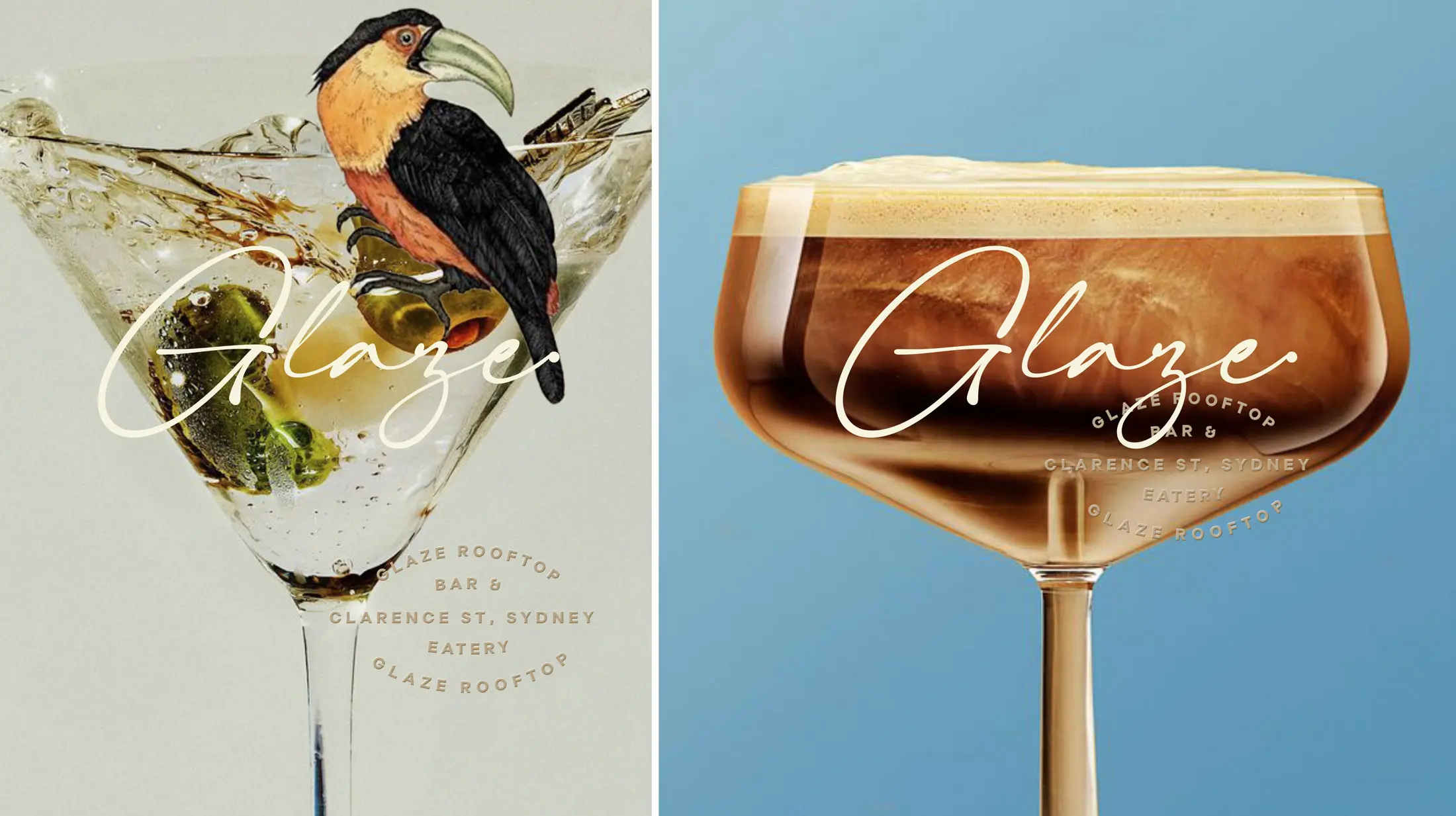
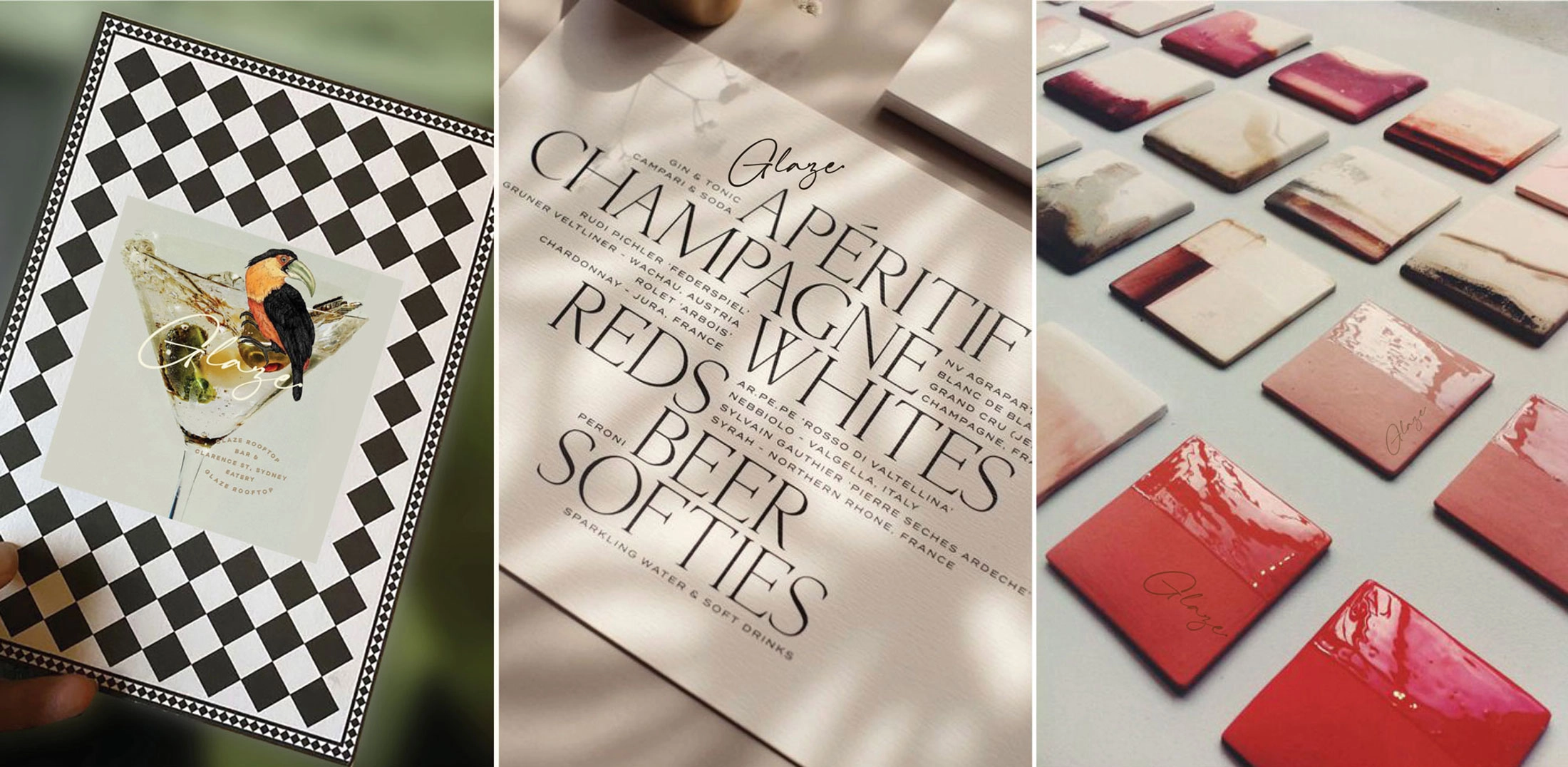
Glaze sits at the top of the building as a bar and bistro with a brighter, more expressive personality. Inspired by decorative ceramics, travel, colour and pattern, Glaze was conceived as a more polished and social destination. It has the feeling of a rooftop salon: layered, glossy, colourful and elegant, moving easily from daytime use into a more animated evening atmosphere.
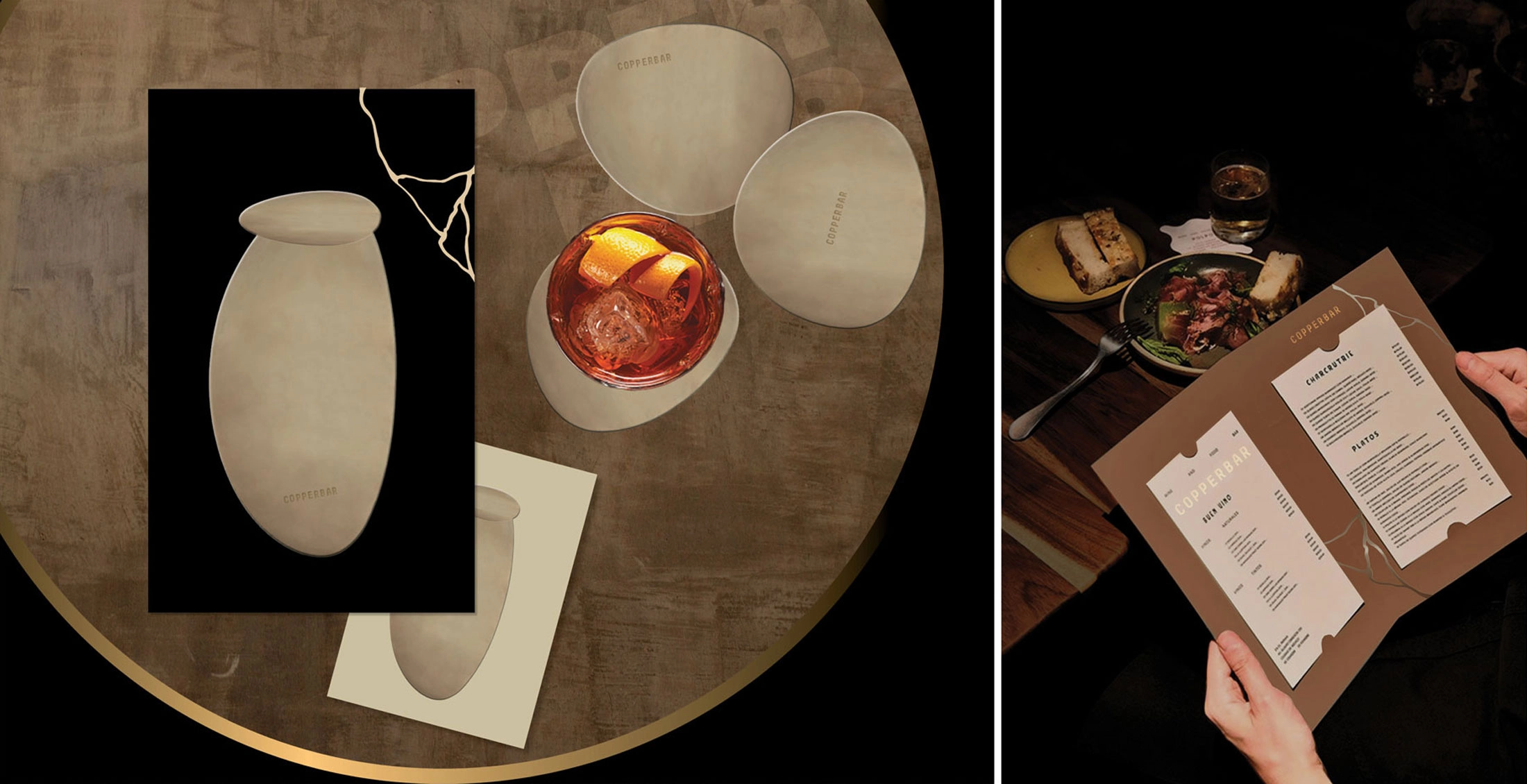
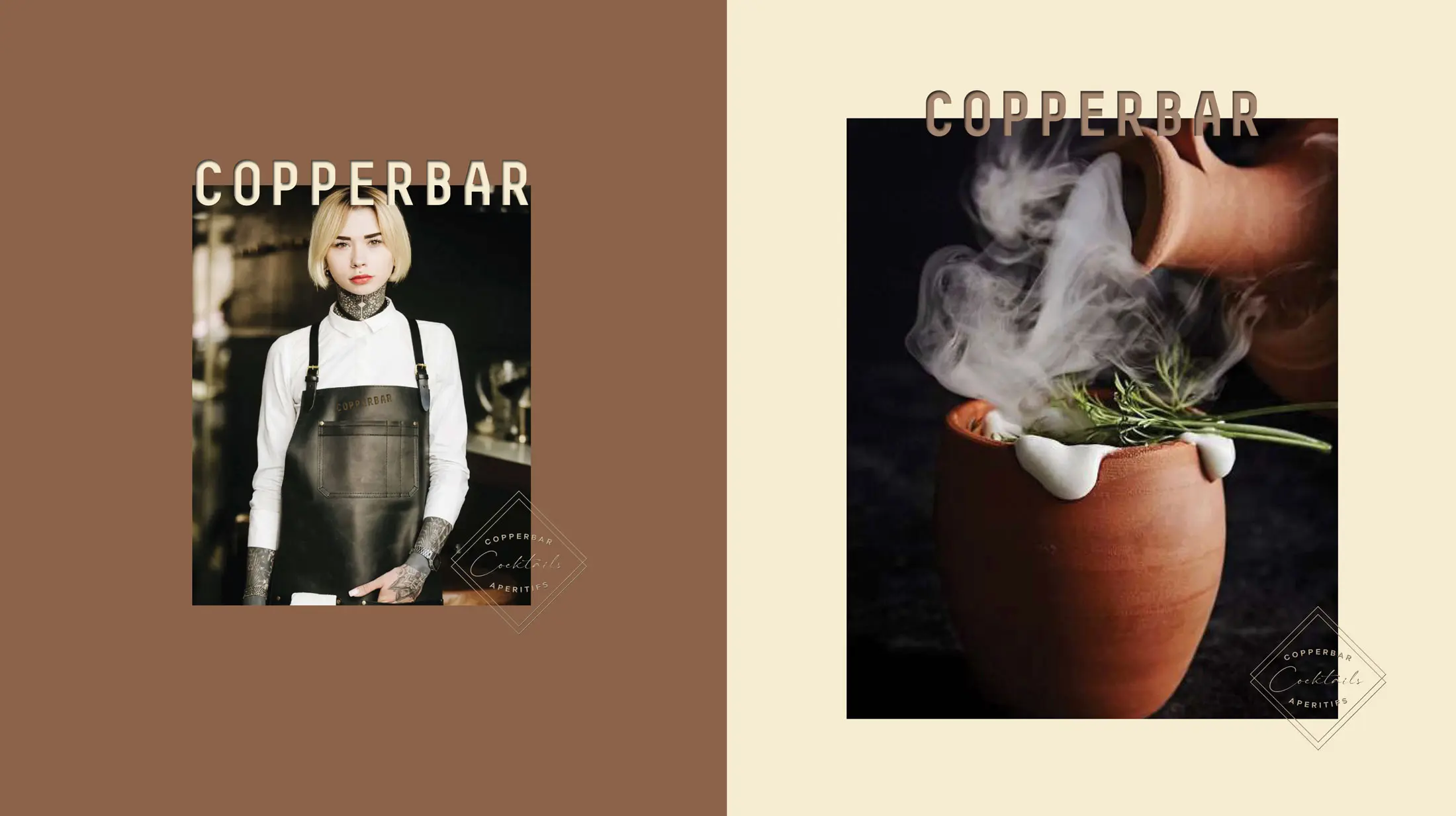
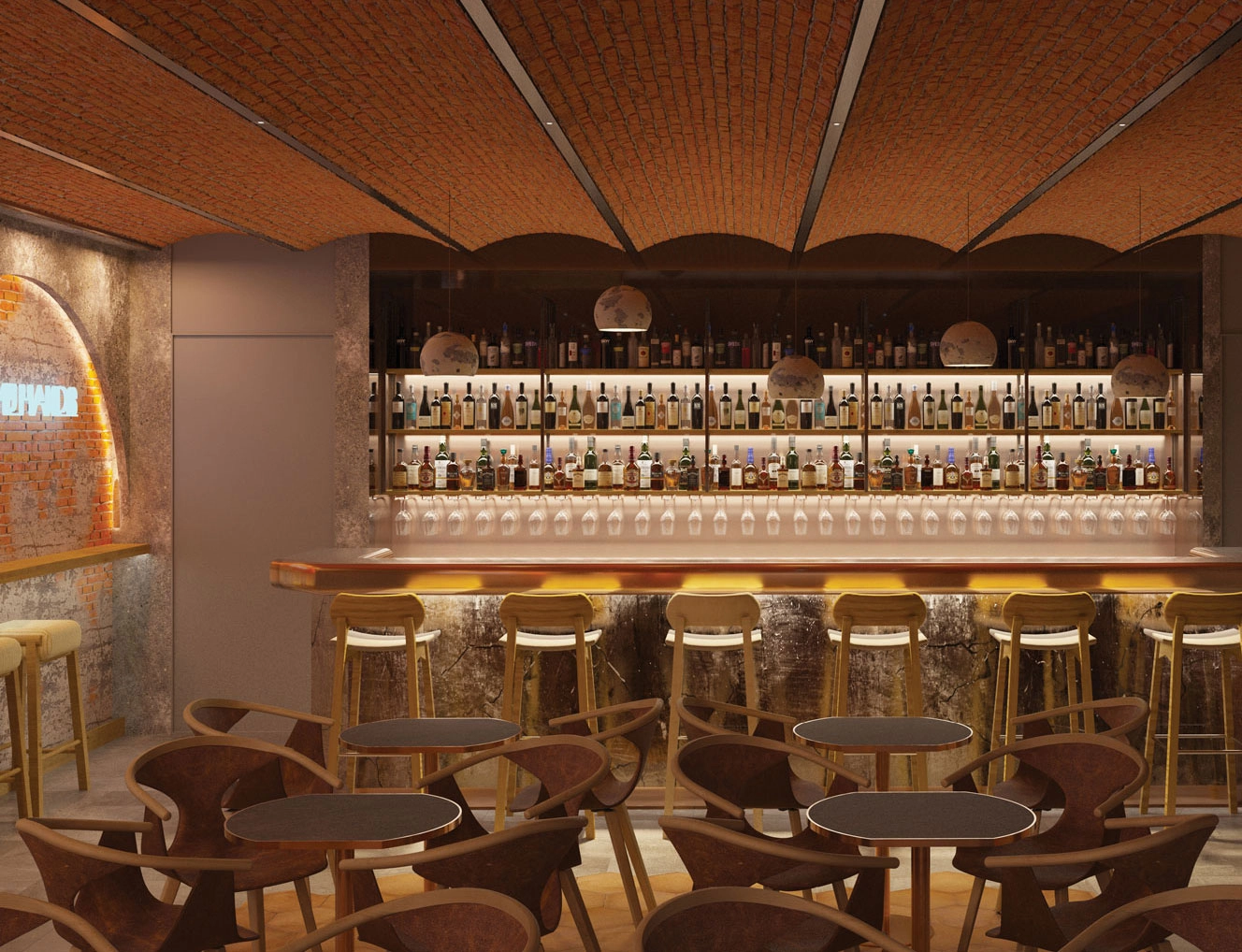
Copper Bar takes the hotel’s ceramic story into a darker, more theatrical direction. Located in the basement, the concept references the raw heat of a kiln, unfired clay, copper plates used in porcelain decoration, and the intimacy of a hidden bar. The identity was designed to support a more immersive experience, with cocktails, materials, uniforms and signage all contributing to the feeling of entering the heart of the building.
Together, the three venues create a more complete hospitality experience. Each has its own name, role and atmosphere, but each is connected by the same underlying story of clay, craft, pattern, colour and transformation.
The Outcome
The Shorty Hotel brand system was designed to give the project a strong identity before the hotel had been physically built. This meant the work needed to do more than document a finished space. It needed to help imagine the experience, define the tone of the hotel and give the client a visual framework for future development.
The completed identity provides a flexible system for the hotel, restaurants and bars, with enough depth to support signage, wayfinding, menus, printed collateral, social content, amenities and merchandise. It also gives each venue a clear role within the wider hotel story, helping guests understand the difference between the all-day café, the rooftop bar and the basement cocktail experience.
By grounding the brand in the history of Shorter House, the project avoids a generic hospitality look. The identity feels specific to the building, its past and its proposed future use. It creates a sense of place before launch, and gives the hotel a distinctive platform for marketing, guest experience and future storytelling.
The Shorty Hotel is best understood as one connected hospitality branding project: a hotel identity with multiple venues, each designed to feel individual, memorable and part of the same world.
Note: This project is still in planning stage and has not yet been built.