


Brand
Strategy &
Positioning
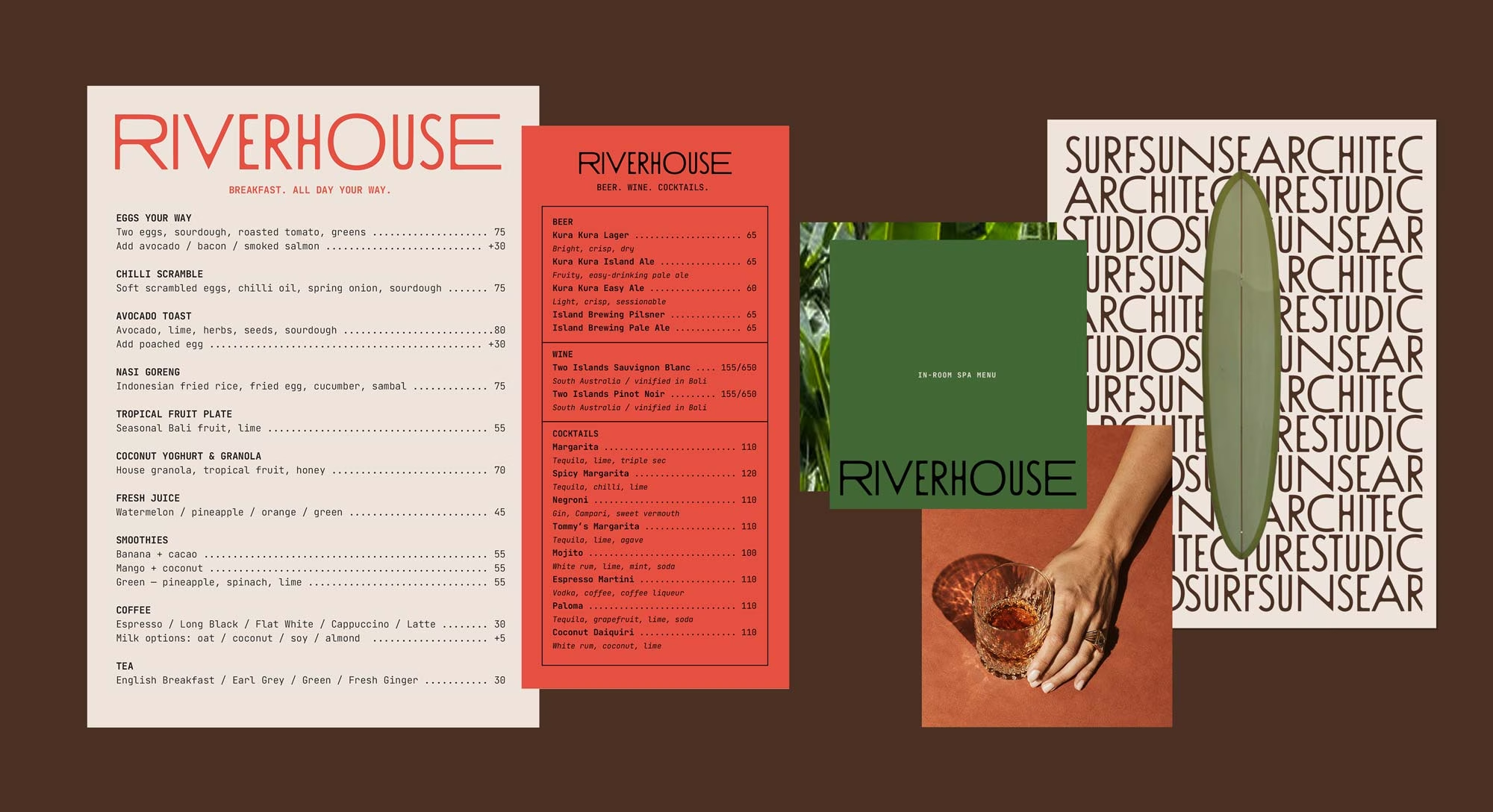
Brand strategy, naming and creative direction for The River House, a new hospitality property in Bali.
Brand strategy and positioning for hotels, hospitality, wellness and design-led businesses.
Positioning Strategy
Brand Workshop Facilitation
Market Gap Analysis
Customer Personas
Competitor Research
Creative Framework
Naming Strategy
Brand Narrative
The most important branding decisions are made before anything has been designed.
When founders, owners and stakeholders hold different ideas about what a brand represents, who it is for or where it should sit in the market, the creative process becomes subjective. Design directions are judged against personal preference because there is no agreed framework against which to assess them.
Brand strategy resolves this first. It defines the purpose of the brand, the audience it needs to reach, the position it can credibly occupy and the central idea that will guide everything from naming and brand identity to communications, digital experience and the way customers experience the business.
For a new hotel, restaurant, wellness destination or product, it is the equivalent of putting the brand on the psychiatrist’s couch and finding out who it really is—or who it has the potential to become.
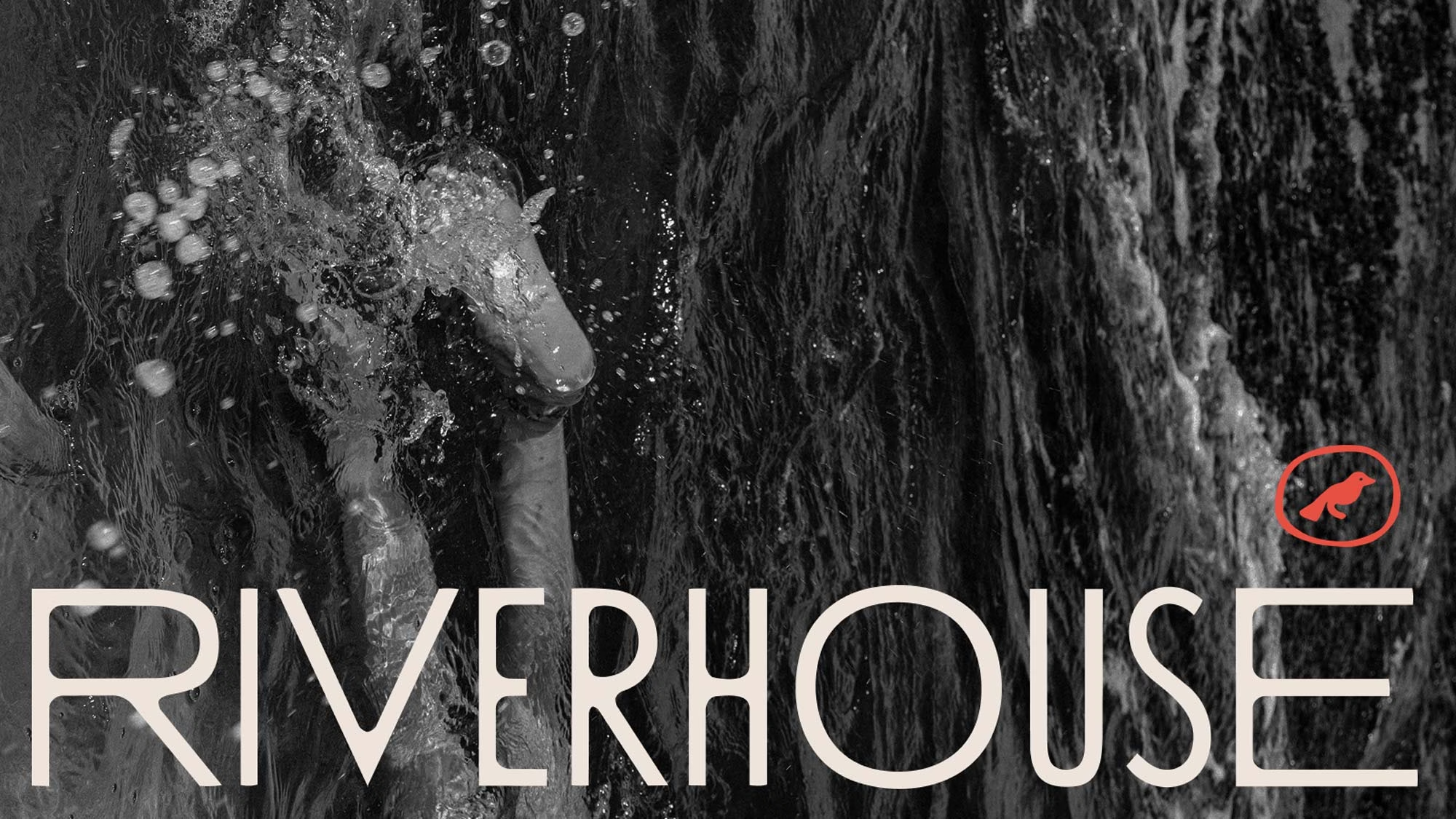
Positioning The River House around its relationship with creativity, place and the experience of staying within a working studio environment.
Positioning Strategy
Deciding what the brand should mean.
Positioning is not a tagline or a paragraph written after the identity has been designed. It is a commercial decision about the place a brand should occupy in the market and why the right customers should choose it.
We examine the business model, audience, category, competitive environment and ambitions for growth. The objective is to identify a position that is distinctive enough to matter but credible enough for the business to deliver.
This is particularly important in hotel and hospitality branding, where many businesses compete with similar promises of service, quality, escape and connection to place. The strategy must identify what makes the particular property or venue worth choosing—not simply describe the category it belongs to.
For The River House in Bali, the task was to establish a meaningful position for a new hospitality property before developing its name, identity and creative direction. Its relationship with the adjoining studios and the experience of staying within a working creative environment provided a more particular foundation than conventional tropical accommodation language.
Good positioning gives everyone working on the brand a clear point of reference. It defines what belongs, what does not and where the business should concentrate its attention.
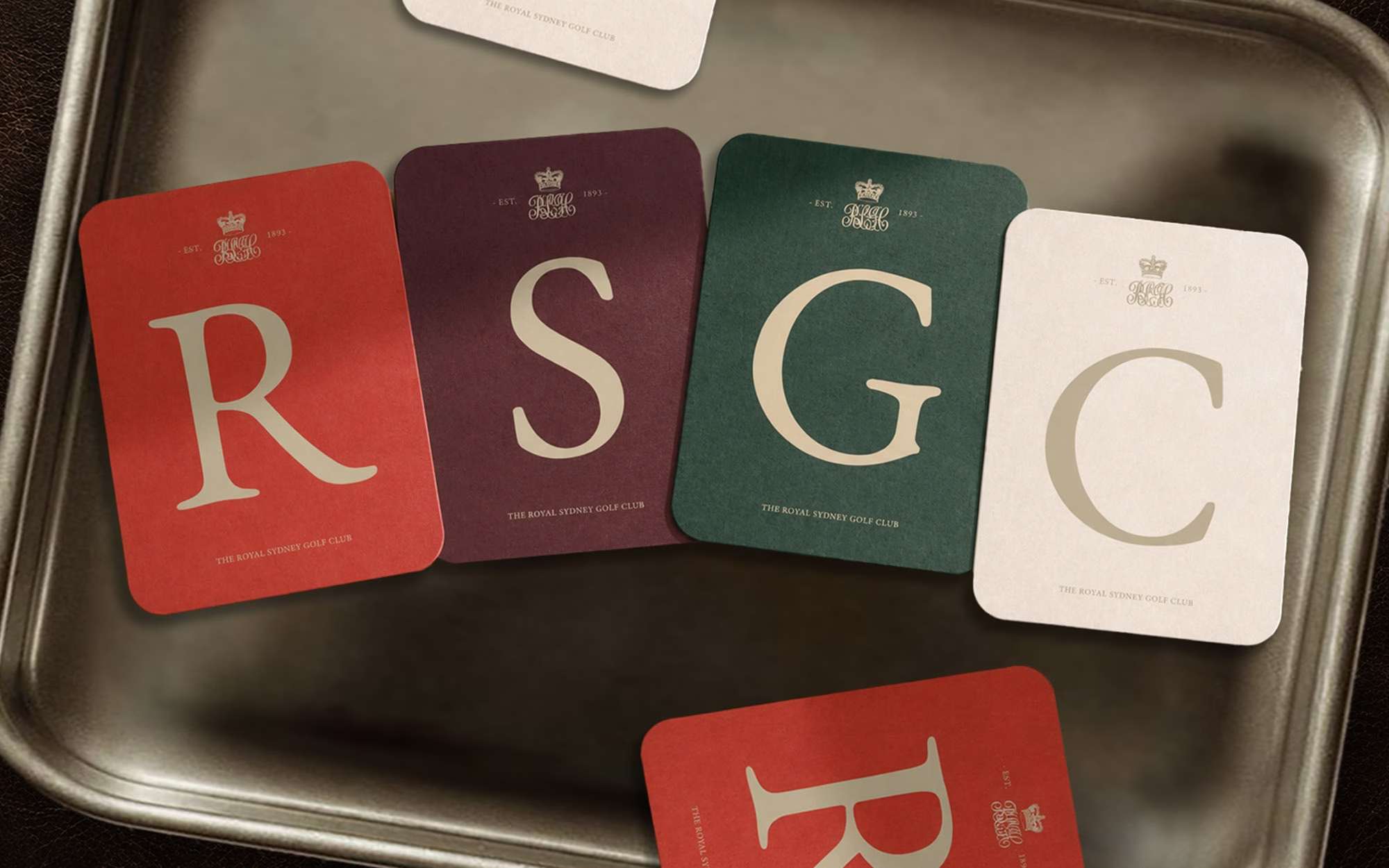
Stakeholder workshops helped define a more cohesive position for Royal Sydney—balancing heritage and prestige with warmth, accessibility and contemporary club life.
Brand Workshop Facilitation
Getting the important thinking into the room.
The people closest to a business often hold its most valuable knowledge. That knowledge may be distributed across founders, owners, operators, marketing teams, department heads and other stakeholders who each see the organisation from a different perspective.
A brand workshop brings those perspectives into one structured conversation.
We have spent approximately ten years developing our in-house brand workshop. No two workshops are identical. Kirsty may spend several days researching the business, its industry, location, audience, competitors and broader cultural context before the session begins.
The workshop explores the purpose of the business, customer expectations, commercial priorities, current perceptions, points of difference and ambitions for the future. Areas of agreement become clearer, while tensions that could otherwise disrupt the creative process are identified early.
For The Royal Sydney Golf Club, stakeholder workshops and a communications audit revealed a central tension: how to preserve the prestige and traditions of a club with more than 130 years of history while creating a warmer, more accessible expression across member communications, hospitality, events and merchandise.
A successful workshop does more than gather information. It allows stakeholders to be heard and gives them a genuine role in shaping the direction. The designer is no longer taking shots in the dark, and the client is not being asked to respond to creative ideas without understanding what they are intended to achieve.
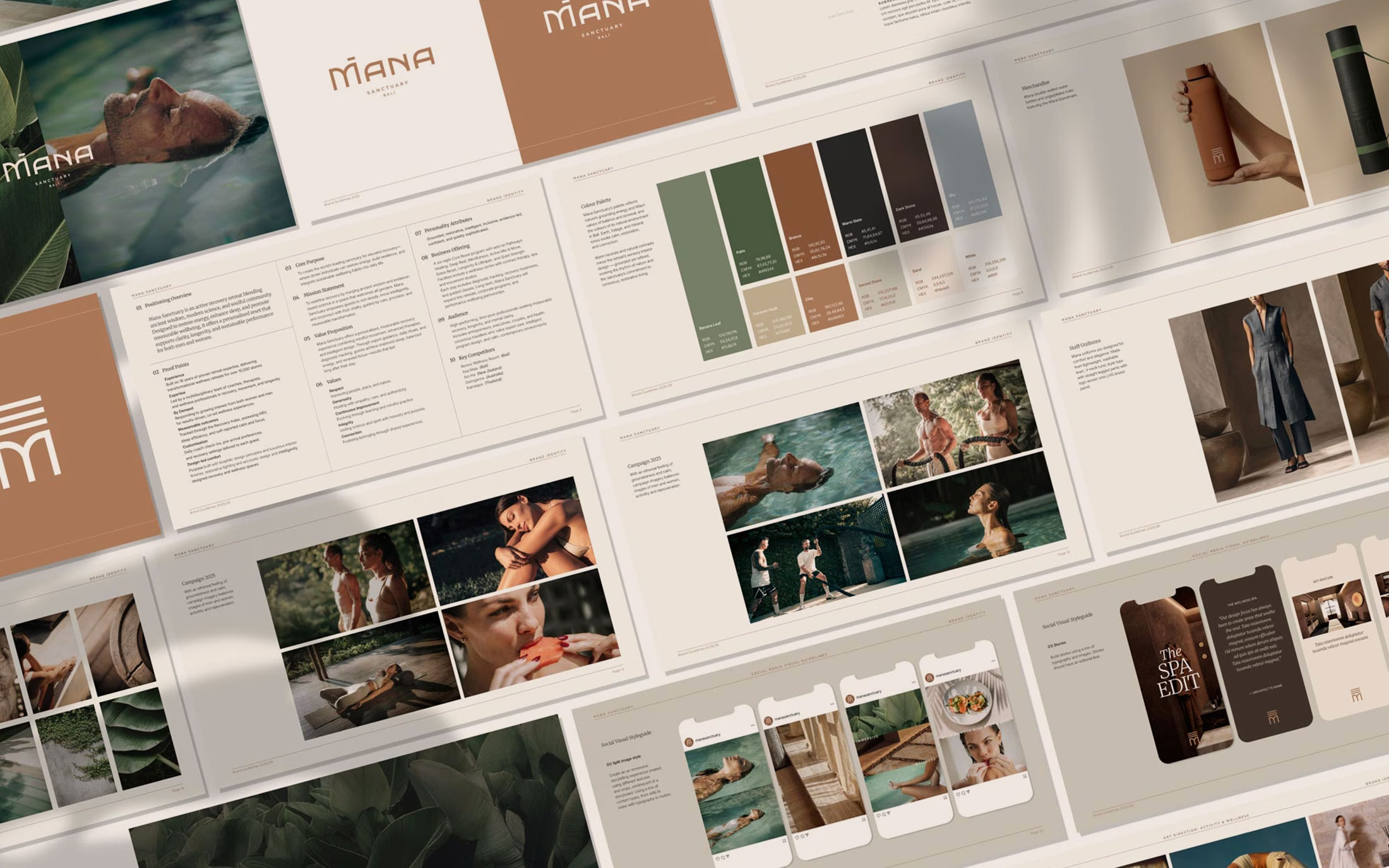
Research and brand workshop repositioned Mana Sanctuary around active recovery, longevity and rebuilding inner strength.
Market Gap Analysis
Finding an opportunity the brand can credibly own.
A gap in the market is not simply something competitors have overlooked. It must also be relevant to customers and believable for the business occupying it.
We look for the space between what a category currently offers and what customers may value but are not receiving. This can be a functional advantage, a different service model, an unmet emotional need or a more useful way of framing an existing offer.
The process may reveal that a proposed point of difference is already widely claimed, that the audience has been defined too broadly or that the strongest opportunity lies somewhere other than the founders initially expected.
This was central to the strategy for Mana Sanctuary. The retreat began with a working name and a women-only concept in a market already crowded with brands built around escape and transformation. The workshop and research identified a stronger opportunity around active recovery, longevity and rebuilding inner strength for both women and men.
That position became the foundation for the name, identity, content, guest experience and website. It also gave the retreat a more commercially distinct relationship with the founders’ existing women-only business.
Market gap analysis helps prevent a new hotel, venue or wellness brand from entering the market with an attractive identity but no clear reason to be chosen.
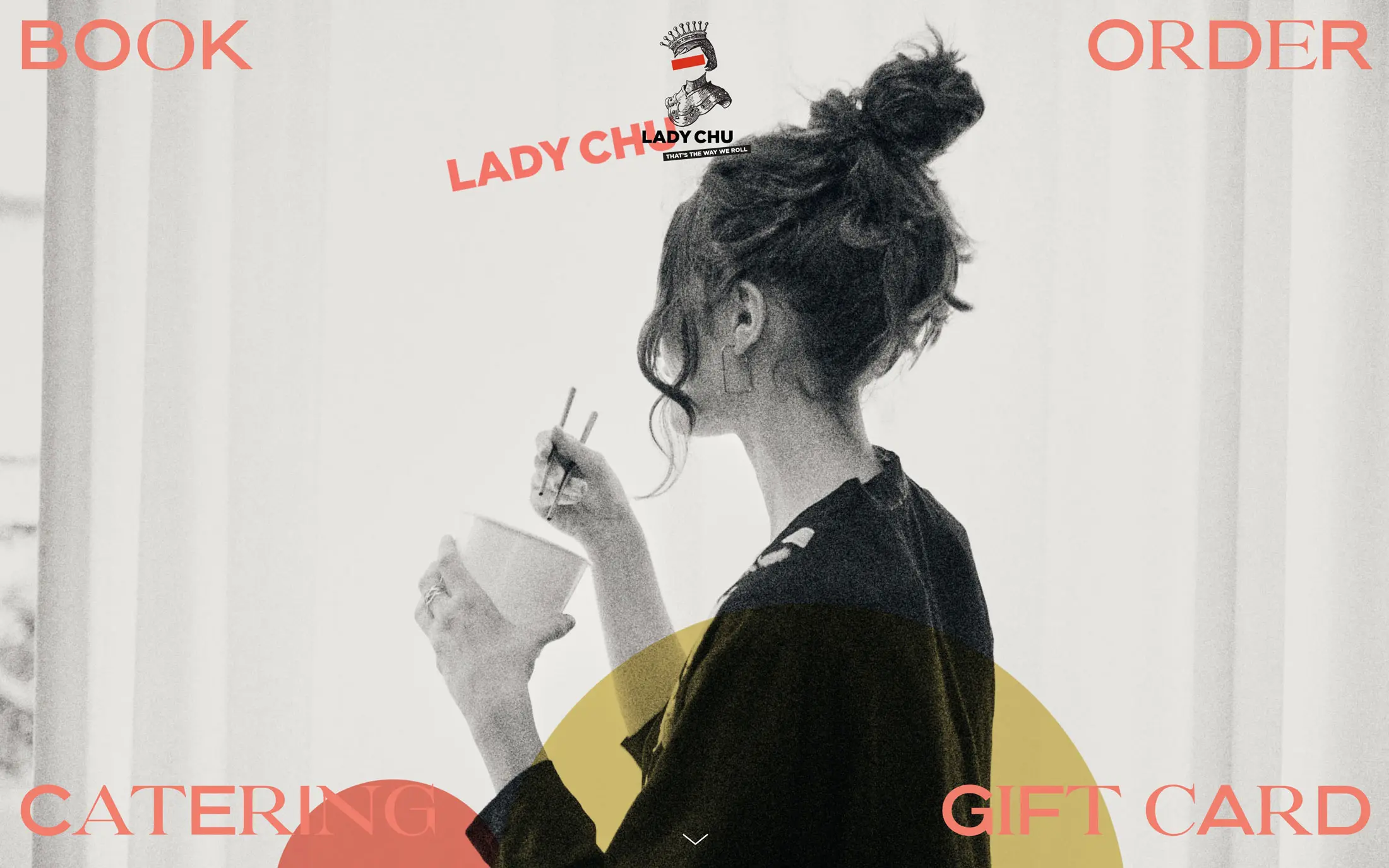
Lady Chu serves local regulars, destination diners, takeaway customers, groups, catering clients and people drawn by Nahji Chu’s considerable public profile.
Customer Personas
Understanding why different people choose the brand.
A brand cannot speak meaningfully to everyone in the same way. Even a single hospitality business may attract customers with very different needs, expectations and reasons for visiting.
Customer personas help make these audiences tangible. They consider what brings each person to the brand, what they need to understand and what might prevent them from acting. These are not fictional marketing profiles filled with arbitrary details. They are practical tools for shaping the offer, communications and customer journey.
Lady Chu is an unusually rich example because people are drawn not only to the food and restaurant, but also to its founder. Nahji Chu achieved a significant public profile through the original Miss Chu brand and has become one of Sydney’s most recognisable independent restaurateurs. Her personal history, humour, opinions, art collection and direct relationship with customers are inseparable from the Lady Chu experience.
The restaurant therefore speaks to several overlapping audiences: local regulars, destination diners familiar with Nahji’s reputation, customers ordering takeaway, companies arranging catering, larger groups planning events and wholesale clients making trade enquiries. Some come for convenience, others for the food, and many come because Lady Chu offers an experience they associate specifically with Nahji.
This influenced both the brand and the website. The identity needed enough range to work across the restaurant, menus, signage, takeaway, catering and digital ordering without dividing the business into unrelated parts. Online, each audience needed a direct path to book, order, enquire about catering or purchase a gift card.
Lady Chu’s subsequent success and expansion across several spaces on Roslyn Street demonstrate what can happen when the founder, brand and customer experience are closely aligned. The restaurant has become a destination with a public identity extending well beyond its original premises.
Clear audience thinking does not require a hospitality brand to dilute its personality to appeal to more people. It helps the brand understand which parts of that personality matter to each audience—and makes it easier for customers to act on the reason they arrived.
Competitor research helped move Evolution Laser Clinics beyond treatments and technology towards a more personal position centred on confidence, care and continuing evolution.
Competitor Research
Understanding the category without becoming part of the crowd.
Competitor research is not undertaken to imitate successful brands. It helps us understand the conventions, claims and customer expectations that already define a category.
We examine direct competitors, but also businesses competing for the same audience, attention or discretionary spending. For a hotel, this may include other accommodation, restaurants, private villas and wellness destinations. For a skincare or wellness brand, it may extend from direct product competitors to adjacent categories that have established stronger trust or cultural relevance.
The research identifies repeated ideas, overused visual cues and promises that no longer create meaningful distinction. It also shows where a brand must meet familiar expectations before it can credibly challenge them.
The Evolution Laser Clinics refresh required the business to remain recognisable while becoming more distinctive within a crowded beauty and technology-led market. The positioning moved the conversation beyond treatments and equipment towards personal confidence, care and continuing evolution.
The resulting strategy gave the national franchise network a clearer basis for customer communications and a more consistent platform for growth.
The aim is not to look unlike every competitor at any cost. It is to understand the category well enough to make deliberate choices rather than accidental ones.
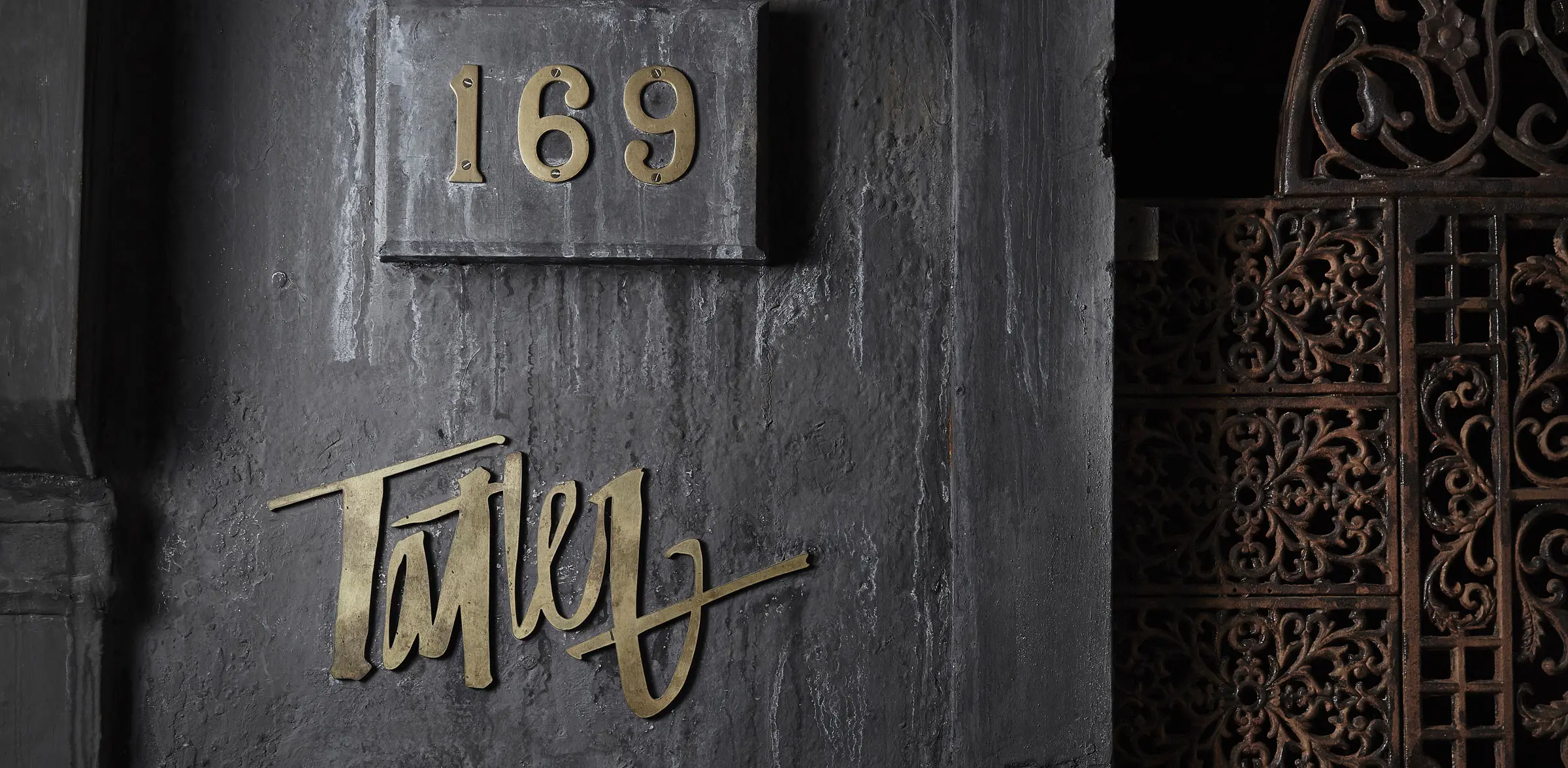
A clear creative framework gave Tatler Super Club a consistent personality across identity, interiors, signage, photography and customer communications.
Creative Framework
Giving creative work something to answer to.
Strategy must become useful to the people creating, approving and managing the brand. The creative framework provides that bridge.
It translates the research and workshop findings into a set of principles for identity, language, imagery, content, environments and customer experience. It may define the central idea, brand personality, tone of voice, creative territories and the qualities every expression of the brand should share.
This is not the visual identity itself. It is the framework against which creative ideas can be evaluated.
Instead of asking whether someone personally likes a design, the team can ask whether it expresses the agreed positioning, speaks to the intended audience and supports the commercial objective.
For Tatler Super Club, the strategy needed to provide a coherent basis for the venue’s visual identity, environmental expression, photography and communications. The framework allowed the brand to develop as a complete hospitality experience rather than a logo applied to a restaurant interior.
A strong creative framework gives designers room to explore while keeping the work connected to its purpose. It also creates continuity as the brand moves into website design, physical environments, content and future campaigns.
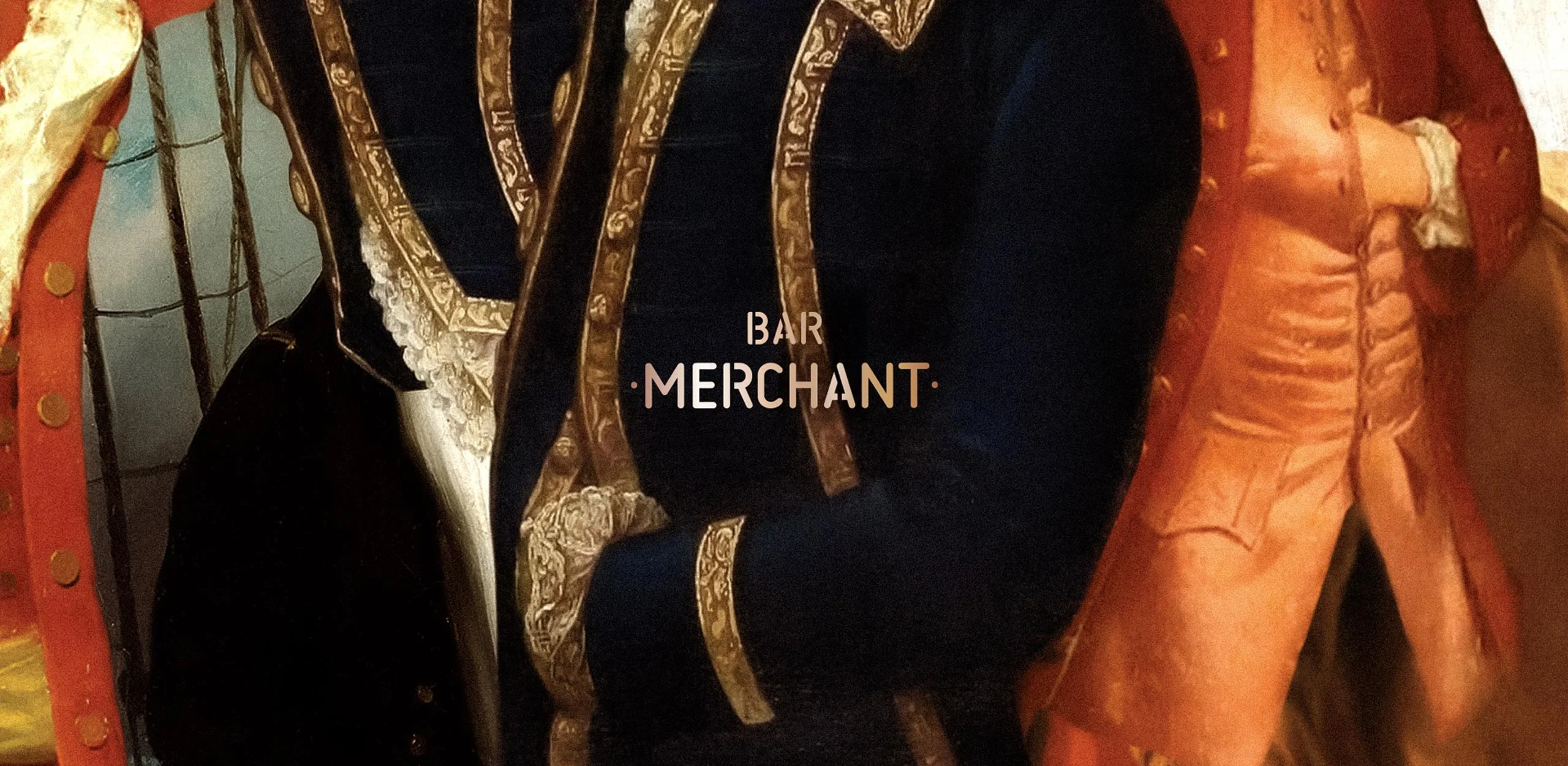
The Merchant name grew from the site’s relationship with Sydney’s history of trade and exchange, informing the identity, placemaking, artworks and hospitality experience.
Naming Strategy
Finding a name with room to grow.
A name is often the first strategic decision people encounter. It needs to be distinctive, memorable and appropriate, but it must also support the position the brand intends to occupy.
Our naming process begins with strategy. We consider the business idea, audience, market, tone, cultural context and future plans before exploring possible directions. A name may be descriptive, invented, associative or drawn from history, language or place.
For Merchant Suites, the name grew from the site’s position between Circular Quay and Martin Place and Sydney’s history as a place of trade and cultural exchange.
“Merchant” became more than a property name. It provided the narrative for the identity, custom artworks, signage, wayfinding, hospitality offer and marketing environment. This is where brand strategy and built environment branding intersect: the central idea becomes part of the place itself.
The name Mana Sanctuary was similarly grounded in strategy. “Mana” connected the retreat to the founder’s Māori and Polynesian heritage and to the idea of inner strength, while “Sanctuary” reinforced protection, restoration and recovery.
The right name does not have to explain everything. It needs to create the right associations and provide enough depth for the brand to build meaning around it.

“Sensory wellness in every drop” gave In Essence a central idea connecting its therapeutic heritage with a more contemporary wellness position.
Brand Narrative
Turning strategy into a story people can understand.
A brand narrative connects the purpose of the business with the experience it offers and the role it can play in people’s lives. It gives the brand a coherent story without reducing it to a slogan.
The narrative may inform website copy, presentations, campaigns, sales materials, packaging, guest communications and internal culture. More importantly, it helps different people describe the business consistently while leaving enough flexibility for the story to develop over time.
For In Essence, the central idea of “sensory wellness in every drop” brought together the therapeutic purpose of aromatherapy with its emotional and sensory qualities.
This gave one of Australia’s most established aromatherapy brands a clearer and more ownable position within the changing wellness market. It provided a strategic basis for the verbal identity, visual identity, packaging design, photography and retail experience while respecting more than 40 years of brand heritage.
A useful brand narrative is grounded in something the business can genuinely deliver. It creates continuity between what the organisation believes, what it says and what customers experience.

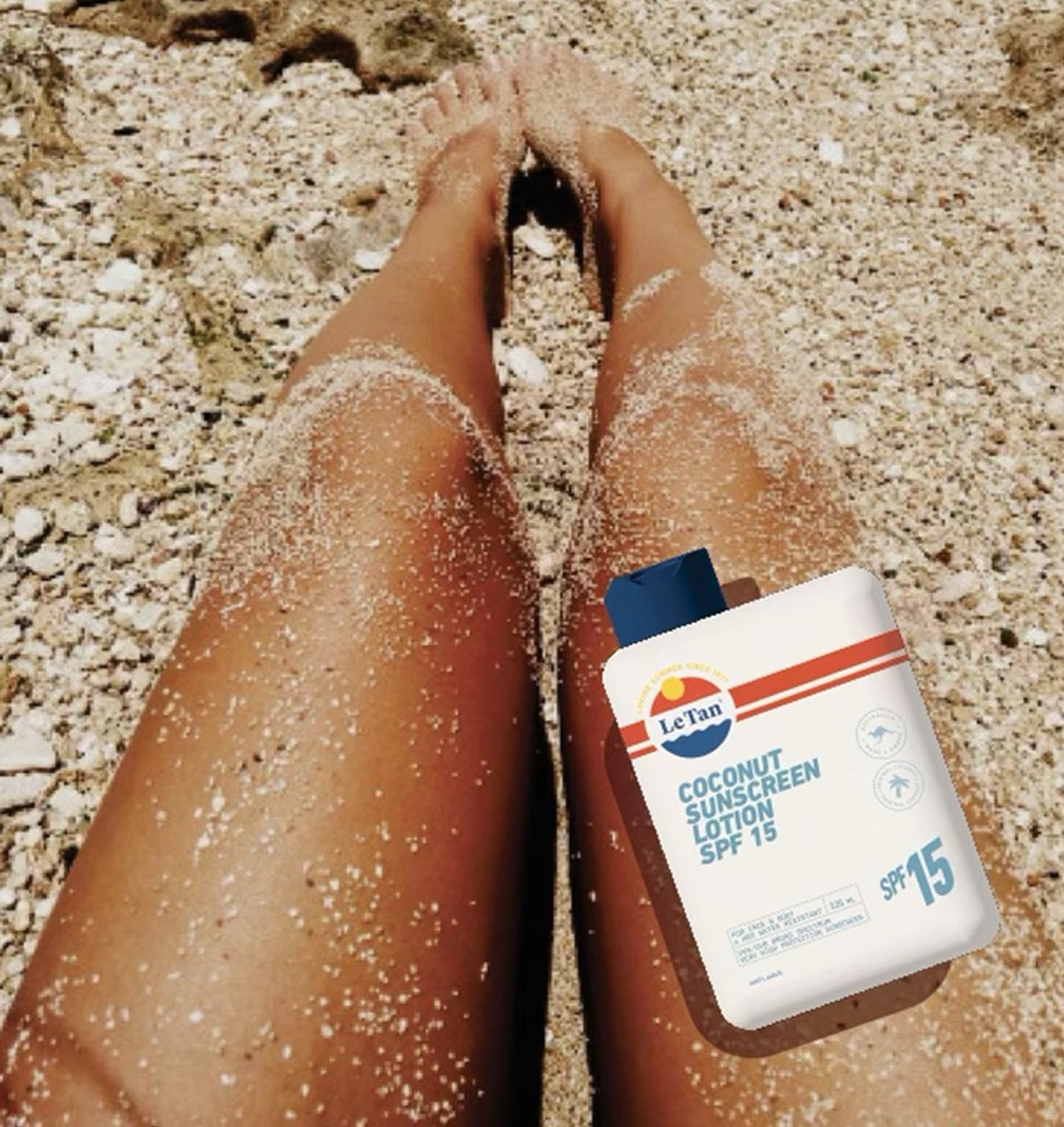
Brand strategy established how Le Tan could evolve for a contemporary beauty market without discarding the recognition built over nearly 50 years.
Strategy before identity
Brand strategy does not predetermine what an identity will look like. It gives the creative process a purpose.
Once the positioning, audience, central idea and creative framework have been agreed, identity design can begin from a shared understanding. Naming, design, language, photography, websites, packaging and physical environments can then work together rather than being developed as a collection of separate decisions.
This is particularly important in hospitality branding and wellness branding, where the brand must extend beyond communications into the experience of arriving, staying, dining, receiving a treatment or interacting with staff.
A clear strategy usually produces better creative work, makes feedback more constructive and reduces the time spent exploring directions that were never right for the business.

